All Types of Kitesurfing: Freeride, Freestyle, Wave, Big Air & More
All Types of Kitesurfing: Discover Which Style Fits You
Kitesurfing is one of the most versatile watersports in the world. Whether you enjoy speed, tricks, or long relaxed rides, there’s a style that matches your personality and skill level. In this guide, we cover the most popular forms of kitesurfing — their characteristics, equipment, and ideal conditions.
1. Freeride Kitesurfing
Freeride is the most popular and accessible form of kitesurfing. It’s all about freedom — enjoying long rides over flat water or small waves while combining speed with comfort. Freeride doesn’t require complex techniques, making it perfect for beginners and riders who simply want to have fun.
Ideal for: Beginners and intermediate riders
Equipment: Standard kiteboard, freeride kite
Locations: Wide beaches, flat lagoons, lakes
2. Freestyle Kitesurfing
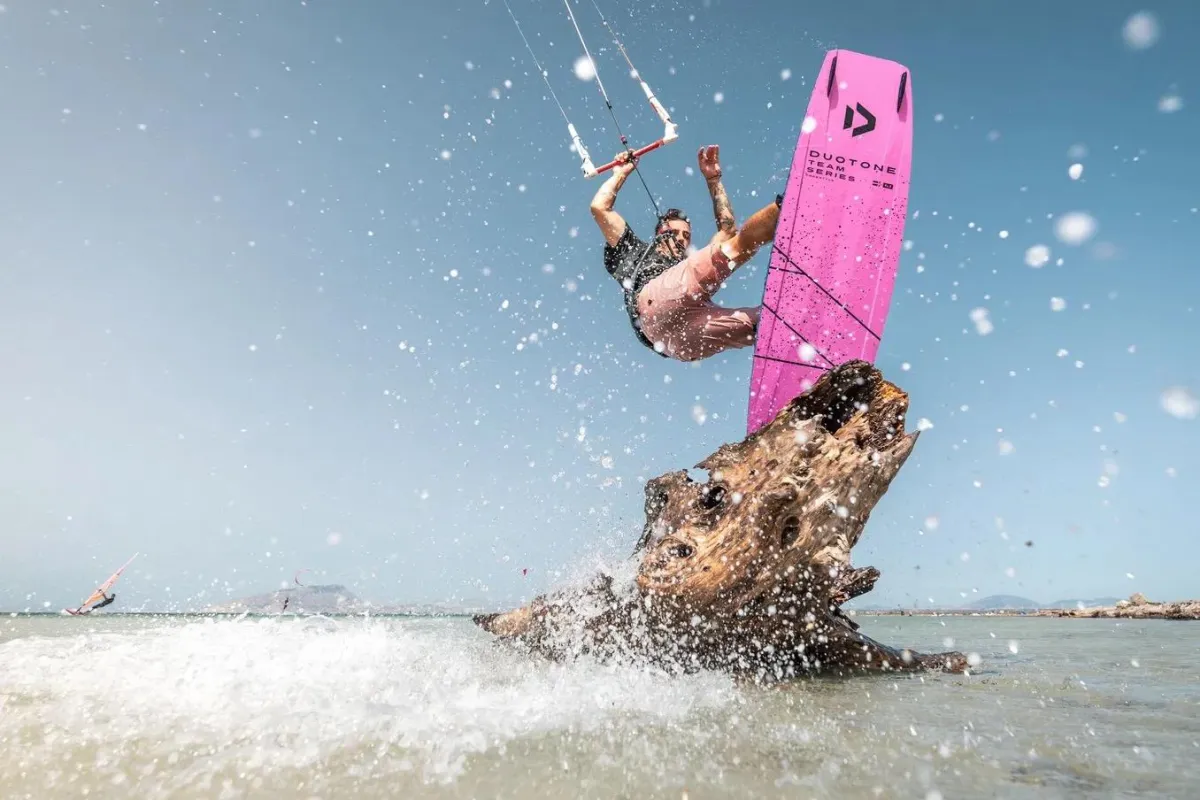
Freestyle is all about tricks, jumps, and style. Riders perform rotations, handle passes, and powered jumps on flat water. It demands good kite control, strength, and timing — a great fit for adrenaline-seeking riders who love progression.
Ideal for: Advanced riders
Equipment: Twin-tip board, high-performance freestyle kite
Locations: Flat water with minimal waves
3. Wave Kitesurfing
Wave kitesurfing combines the power of the kite with classic surf techniques. Riders use the wave’s energy to carve turns, bottom turns, and aerials. It’s a dynamic and technical discipline that requires reading both wind and swell.
Ideal for: Advanced riders
Equipment: Surfboard or wave board, drift-stable wave kite
Locations: Ocean waves, tropical surf spots
4. Speed / Race Kitesurfing
Speed or race kitesurfing is all about efficiency and control over long distances. It’s usually practiced on flat water with strong, steady wind. Racers use specialized boards and aerodynamic kites to maximize upwind performance and speed.
Ideal for: Advanced and competitive riders
Equipment: Raceboard, race kite
Locations: Flat water, windy lagoons or lakes
5. Snowkiting
Snowkiting brings kitesurfing to the mountains. Instead of water, you ride on snow — with skis or a snowboard — powered by a kite. It offers the same thrill and freedom as kitesurfing but in a winter environment.
Ideal for: Beginners and advanced riders
Equipment: Skis or snowboard, foil or snowkite
Locations: Alps, Scandinavia, mountain plateaus
6. Landkiting / Kitebuggying
Landkiting, also known as kitebuggying, is practiced on open fields, beaches, or dry lakebeds. The kite pulls a buggy or mountainboard while the rider controls direction and speed. It’s a great way to improve kite skills without getting wet.
Ideal for: Beginners and intermediate riders
Equipment: Landboard or kitebuggy, trainer kite
Locations: Open plains, beaches, dry flats
7. Hydrofoil Kitesurfing
Hydrofoil kitesurfing uses a board with a foil underneath that lifts you above the water. The reduced resistance allows smooth gliding, even in very light wind. It’s a technical discipline that rewards balance and precision.
Ideal for: Advanced riders
Equipment: Hydrofoil board, foil kite
Locations: Flat water, open sea with light wind
8. Big Air Kitesurfing
Big Air focuses on height, hang time, and extreme jumps. Riders use powerful kites to launch high into the air and perform stylish aerial tricks. It’s one of the most spectacular disciplines and requires excellent kite control and timing.
Ideal for: Advanced riders
Equipment: Twin-tip or surfboard, large kite
Locations: Open sea or flat water with strong wind
Choosing Your Kitesurfing Style
Each kitesurfing discipline offers a different experience — from relaxed freeride cruising to high-powered freestyle or big air jumps. Beginners usually start with freeride to build control and confidence, then explore wave or foil once their skills progress. Advanced riders often mix disciplines depending on conditions and personal goals.
No matter your level, the key is finding the right balance between equipment, location, and wind conditions — and, of course, having fun on the water.
Frequently Asked Questions (FAQ)
What is the easiest kitesurfing style for beginners?
Freeride kitesurfing is the best starting point. It focuses on control, comfort, and smooth riding in moderate wind and flat water.Do I need different kites for each style?
Not always. A good freeride kite can handle many conditions, but freestyle, wave, and foil kites are optimized for their specific purposes — like drift stability or speed.Is hydrofoil kitesurfing hard to learn?
It has a steeper learning curve. Balance and control are crucial, and beginners should start with a larger foil and plenty of space to practice.Can I practice kitesurfing styles anywhere?
Most beaches and lagoons are suitable for freeride and freestyle, but wave kiting requires consistent surf, and foil kiting works best in deep, flat water. Always check local rules and wind safety.


